Norovirus Symptoms: How Long Does It Last and When Are You Contagious?
Norovirus can cause sudden vomiting, diarrhea, and stomach pain. Discover how quickly symptoms appear, how long the infection usually lasts, and when it is safer to return to everyday activities.
This article is general information, not financial advice. Rates, prices and rules change; check the details with a qualified professional or the lender before you decide.
In this article
- What Are the Most Common Norovirus Symptoms?
- How Soon Do Norovirus Symptoms Start After Exposure?
- How Long Does Norovirus Last?
- How Long Are You Contagious With Norovirus?
- How Does Norovirus Spread?
- Norovirus vs. Food Poisoning vs. Stomach Flu
- What to Do if You Have Norovirus
- Signs of Dehydration That Should Not Be Ignored
- How to Clean Your Home After Norovirus
- Can You Get Norovirus More Than Once?
- How to Protect Your Family During Norovirus Season
- Frequently Asked Questions
- The Bottom Line
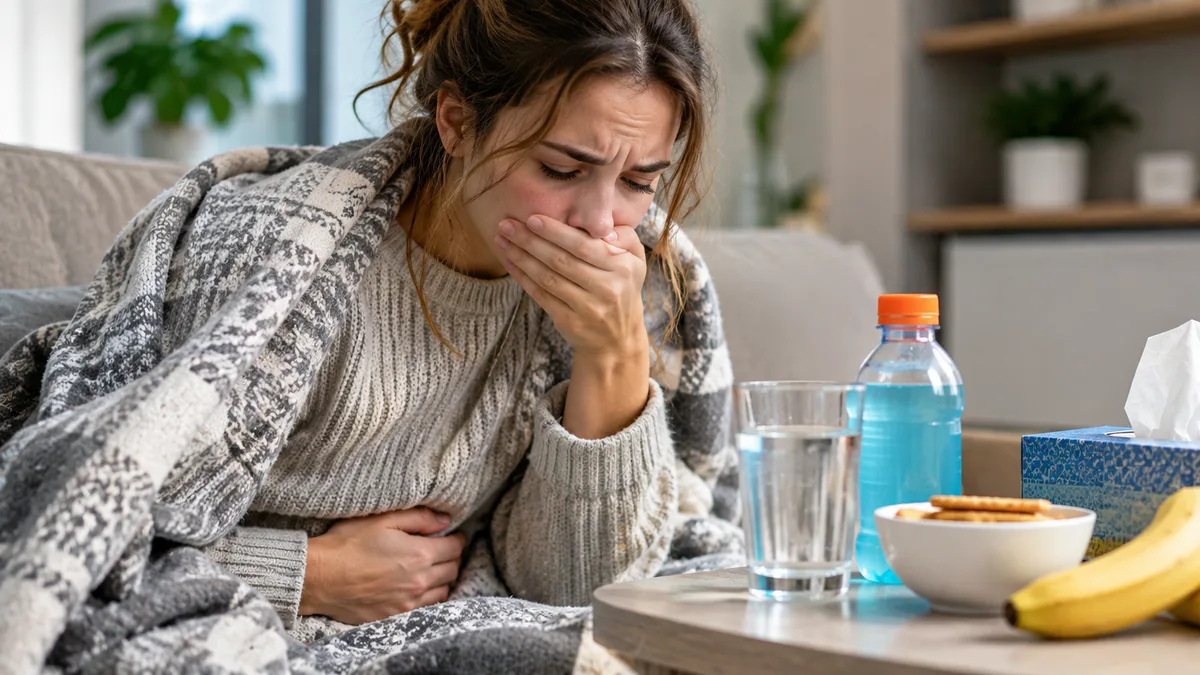
Norovirus symptoms often appear suddenly, causing vomiting, watery diarrhea, nausea, and stomach cramps. The infection is sometimes called the stomach flu, although norovirus is unrelated to influenza. It spreads easily through contaminated food, water, surfaces, and close contact with infected people.
Most people recover within one to three days, but the period of illness is not the same as the period of contagiousness. According to the Centers for Disease Control and Prevention (CDC), people may continue shedding norovirus in their stool for two weeks or longer after they feel better. This distinction is particularly important for families, restaurant employees, childcare workers, and people caring for vulnerable individuals.
What Are the Most Common Norovirus Symptoms?
Norovirus symptoms primarily affect the digestive system and frequently begin with sudden nausea, vomiting, or diarrhea. Although symptoms vary between individuals, a typical infection can cause several gastrointestinal problems at the same time.
Symptom | What it may feel like | Important consideration |
Vomiting | Sudden, sometimes repeated episodes | Can cause rapid fluid loss |
Watery diarrhea | Frequent, loose stools | Increases dehydration risk |
Nausea | Persistent feeling of needing to vomit | May make drinking difficult |
Stomach cramps | Pain or discomfort in the abdomen | Common during acute illness |
Low-grade fever | Mild temperature elevation | Not present in everyone |
Headache | General discomfort or pain | Can occur alongside dehydration |
Body aches | Muscle soreness and fatigue | May resemble another viral illness |
Symptoms may be more difficult to recognize in young children who cannot describe nausea or abdominal discomfort. Parents may first notice repeated vomiting, fewer wet diapers, unusual tiredness, or a sudden refusal to drink.
Bloody diarrhea, severe localized abdominal pain, or persistent high fever are not typical signs of uncomplicated norovirus. These symptoms warrant medical evaluation because another infection or condition may be responsible.
How Soon Do Norovirus Symptoms Start After Exposure?
Norovirus symptoms usually begin 12–48 hours after exposure to the virus. A person may feel entirely normal the day after a shared meal or family gathering before becoming ill the following morning.
This relatively short incubation period can make outbreaks appear to develop rapidly. When several people have eaten the same contaminated food or have been exposed to an infected individual, symptoms may emerge within a similar timeframe.
However, becoming ill after attending an event does not prove where transmission occurred. Norovirus can spread through multiple routes, and identifying the original source may require a public health investigation.
How Long Does Norovirus Last?
Norovirus illness typically lasts one to three days in otherwise healthy individuals. Vomiting is often most troublesome during the early phase, while diarrhea, weakness, and reduced appetite may continue as the body recovers.
The following timeline describes common patterns rather than a guaranteed course of illness.
Time after exposure | What may happen |
0–12 hours | Usually no noticeable symptoms |
12–48 hours | Symptoms commonly begin |
First 24 hours of illness | Vomiting, diarrhea, and stomach pain may be intense |
Days 2–3 | Many people begin to improve |
After symptoms stop | Virus shedding and transmission risk can continue |
Some people recover faster, while others experience symptoms for longer. Young children, older adults, and people with certain medical conditions may have more difficulty replacing fluids and recovering fully.
The most important factor during recovery is preventing dehydration rather than trying to force the illness to end sooner.
How Long Are You Contagious With Norovirus?
Norovirus is highly contagious during active illness and in the first several days after recovery. The CDC recommends that people avoid preparing food for others or caring for others while sick and for at least 48 hours after symptoms stop.
The virus can remain in stool for two weeks or longer after someone feels well. That does not mean every person is equally infectious throughout this entire period, but it reinforces the importance of consistent handwashing and bathroom hygiene after symptoms disappear.
Can You Spread Norovirus Before Symptoms Start?
Norovirus can be present before obvious illness develops, and infected people may transmit the virus without recognizing they are sick. Transmission risk is generally greatest when vomiting and diarrhea are occurring and shortly afterward.
This is one reason that an infected person may expose others before recognizing the illness. Shared bathrooms, close living arrangements, and food preparation can create opportunities for further transmission.
Can You Go Back to Work After Norovirus?
Returning to work after norovirus depends on when symptoms have fully stopped and the nature of the job. The CDC recommends waiting at least 48 hours after symptoms resolve before preparing or handling food for others or caring for other people.
Restaurant staff, healthcare workers, childcare employees, and long-term care staff may be subject to additional public health rules or employer requirements. State and local health department guidance should also be followed.
For office employees and others outside high-risk settings, returning when well enough and after the recommended symptom-free period reduces the chance of exposing coworkers. Remote work may help reduce contact when recovery is incomplete.
How Does Norovirus Spread?
Norovirus spreads when microscopic particles of vomit or feces from an infected person enter another person's mouth. This can occur through contaminated hands, food, beverages, or surfaces.
Common transmission situations include:
- Eating food prepared by an infected person.
- Touching a contaminated bathroom fixture and then touching the mouth.
- Caring for someone who is vomiting or experiencing diarrhea.
- Sharing food, utensils, or close living spaces.
- Eating contaminated raw foods, including some shellfish.
- Contact with surfaces contaminated during a vomiting episode.
Norovirus requires relatively little viral material to cause infection. The virus can also remain on surfaces, making environmental cleaning an important part of outbreak prevention.
Norovirus vs. Food Poisoning vs. Stomach Flu
Norovirus is a common cause of acute gastroenteritis and can also be responsible for foodborne illness. However, not every case of vomiting or diarrhea is caused by norovirus.
Condition | Typical cause | Main distinction |
Norovirus | Viral infection | Highly contagious; sudden vomiting and diarrhea |
Influenza | Influenza virus | Primarily a respiratory illness |
Bacterial foodborne illness | Bacteria or bacterial toxins | Onset and symptoms vary; fever or bloody diarrhea may occur |
Other viral gastroenteritis | Other viruses | Symptoms can overlap significantly |
The phrase stomach flu is informal and does not identify a particular pathogen. Influenza usually causes respiratory symptoms such as cough, sore throat, fever, and body aches, although gastrointestinal symptoms may occur in some cases.
Symptoms alone may not establish whether someone has norovirus or another cause of gastroenteritis. Testing is not always necessary for mild illness, but a healthcare professional may recommend it during severe illness or a suspected outbreak.
What to Do if You Have Norovirus
Most uncomplicated norovirus infections improve with supportive care and adequate fluid replacement. Because norovirus is a viral infection, antibiotics do not treat the underlying cause.
Replace Lost Fluids
Fluid loss through vomiting and diarrhea is the principal short-term concern. Small, frequent sips may be easier to tolerate than drinking a large amount at once, especially immediately after vomiting.
Oral rehydration solutions can be particularly useful when fluid and electrolyte losses are significant. They provide a more appropriate combination of water, salts, and sugar than many soft drinks or highly sweetened beverages.
For infants, continue appropriate breast milk or formula feeding and seek pediatric advice about rehydration. Do not dilute infant formula or use homemade electrolyte mixtures without suitable medical guidance.
Eat When You Can Tolerate Food
Food can be reintroduced gradually as nausea improves. Small portions of familiar, easy-to-tolerate foods may be preferable to large meals during early recovery.
There is no single mandatory norovirus recovery diet. The priority is fluid intake, and people can generally return toward their usual diet as their appetite and tolerance improve.
Rest and Monitor Symptoms
Rest helps people manage weakness and fatigue during the illness. Caregivers should monitor urine output, alertness, drinking ability, and the frequency of vomiting or diarrhea.
If symptoms persist, worsen, or interfere with maintaining adequate hydration, medical advice is appropriate.
Signs of Dehydration That Should Not Be Ignored
Dehydration is one of the most important complications of norovirus, particularly among young children and older adults. Repeated vomiting and diarrhea can cause substantial fluid loss over a short period.
Warning signs include:
- Urinating much less often than normal.
- Dark urine.
- Dry mouth or throat.
- Dizziness or faintness when standing.
- Unusual weakness or lethargy.
- Crying with few or no tears in young children.
- Fewer wet diapers in infants.
Seek prompt medical care if a person cannot keep fluids down, shows signs of significant dehydration, has blood in the stool, experiences severe abdominal pain, or has other concerning symptoms. Severe confusion, difficulty waking, fainting, or signs of shock require emergency medical attention.
People who are pregnant, immunocompromised, very young, older, or medically vulnerable may need evaluation sooner.
How to Clean Your Home After Norovirus
Effective cleaning after norovirus is important because the virus can remain on contaminated surfaces. Bathrooms, toilets, faucet handles, light switches, counters, and other frequently touched areas deserve special attention.
Cleaning Steps
- Keep children and other household members away from areas contaminated with vomit or diarrhea.
- Wear disposable gloves when cleaning contaminated materials.
- Carefully remove visible contamination using disposable towels and place waste in a suitable bag.
- Clean the affected surface and use an EPA-registered disinfectant effective against norovirus, following its label instructions.
- Wash contaminated laundry with detergent using an appropriate wash cycle and dry it thoroughly.
- Remove gloves safely and wash hands with soap and water.
The CDC also provides guidance for appropriate chlorine bleach solutions when suitable for the surface. Never mix bleach with ammonia or other cleaning chemicals, and follow ventilation and product safety requirements.
Hand sanitizer alone is not a reliable substitute for soap-and-water handwashing against norovirus. Wash hands thoroughly with soap and running water for at least 20 seconds, especially after using the bathroom and before preparing food.
Can You Get Norovirus More Than Once?
Norovirus infection does not provide reliable lifelong protection against every type of norovirus. Multiple strains circulate, and immunity after infection may be limited or strain-specific.
A person can therefore develop norovirus more than once. Previous illness should not be treated as a reason to relax handwashing, food safety, or surface-cleaning practices.
How to Protect Your Family During Norovirus Season
Norovirus spreads throughout the year, but CDC surveillance indicates that outbreaks are most common from November through April in the United States. Shared meals, crowded indoor settings, and close contact can create favorable opportunities for transmission.
Families can reduce risk by washing hands thoroughly, preparing food safely, disinfecting contaminated areas, and avoiding food preparation while sick. Anyone recovering from norovirus should follow the recommended symptom-free period before resuming activities that expose other people.
The essential distinction is that feeling better does not mean norovirus has immediately stopped spreading. Good hygiene remains important even after vomiting and diarrhea have resolved.
Frequently Asked Questions
Can norovirus last five days?
Norovirus symptoms usually resolve within one to three days, but some people remain unwell longer. Continued or worsening diarrhea, inability to drink, dehydration, or unusual symptoms should prompt medical evaluation rather than an assumption that the infection is following a typical course.
Is norovirus contagious without vomiting?
Norovirus can spread even if an infected person does not vomit. Virus particles may be shed in stool, and contamination of hands, food, or surfaces can transmit infection.
Is it safe to prepare food 24 hours after norovirus?
CDC guidance recommends avoiding food preparation for others until at least 48 hours after symptoms stop. Some food service regulations or workplace policies may impose additional requirements.
Does hand sanitizer kill norovirus?
Alcohol-based hand sanitizer alone does not work well against norovirus. Washing with soap and water is the preferred method for removing contamination from hands.
When should a child with norovirus see a doctor?
A child should receive medical evaluation for signs of dehydration, persistent vomiting, inability to maintain fluid intake, blood in the stool, severe pain, or unusual drowsiness. Infants and medically vulnerable children may require more urgent assessment.
The Bottom Line
Norovirus symptoms usually develop 12–48 hours after exposure and typically last one to three days. The infection can spread rapidly, and people may continue shedding the virus after they feel better. Understanding the difference between symptom duration and contagiousness helps reduce transmission in homes, schools, workplaces, and food service settings.
Preventing dehydration, following the 48-hour symptom-free recommendation for food handling and caregiving, and cleaning contaminated surfaces correctly are the most useful steps during recovery.
Spotted an error? Tell our editors. Read our corrections policy.