Winter Car Emergency Kit: 25 Essentials That Could Save a Winter Drive
A dead battery, closed highway or sudden snowstorm can turn a short drive into hours of waiting. This winter car emergency kit checklist covers the supplies that matter, where to store them, what to check before leaving, and how to stay safe if stranded.
This article is general information, not financial advice. Rates, prices and rules change; check the details with a qualified professional or the lender before you decide.
In this article
- Winter Car Emergency Kit Checklist: 25 Items to Carry
- What Should You Pack First for a Short Winter Commute?
- Winter Car Emergency Kit for Highway Trips and Remote Roads
- How to Stay Warm if Your Car Breaks Down in Snow
- Winter Car Emergency Kit for Snow, Ice and Poor Traction
- Winter Car Emergency Kit for Electric Vehicles
- Check the Vehicle Before You Depend on an Emergency Kit
- What to Do if You Get Stranded in a Winter Storm
- How to Build a Winter Car Emergency Kit for Kids and Pets
- Where Should You Store a Winter Emergency Kit?
- When Should You Replace Emergency Supplies?
- Frequently Asked Questions About Winter Car Emergency Kits
- The Bottom Line
A winter car emergency kit should contain enough supplies to stay warm, communicate with emergency services, manage minor vehicle problems, and remain visible if snow or ice leaves the vehicle stranded. The essentials include insulating clothing, blankets, a charged flashlight, drinking water, food, a phone charging solution, an ice scraper, a shovel, traction material, and basic roadside safety equipment.
Winter driving emergencies can happen without a major blizzard. A stalled vehicle, icy interstate, dead battery, closed mountain pass, or collision ahead can leave drivers waiting far longer than expected, sometimes in areas with weak cellular coverage.
The National Highway Traffic Safety Administration recommends stocking vehicles with emergency equipment and checking tires, batteries, windshield wipers, coolant, and other critical systems before winter trips. A well-planned winter car emergency kit supports those precautions but cannot replace vehicle maintenance or safe decisions about whether to travel.
Winter Car Emergency Kit Checklist: 25 Items to Carry
A complete winter car emergency kit should prioritize warmth, visibility, communication, food, water, and the ability to handle minor winter roadside problems. The exact contents should reflect the climate, trip length, number of passengers, and whether the route passes through remote areas.
The checklist below separates essential equipment from items that are particularly valuable during longer waits.
# | Item | Why it matters |
1 | Warm blankets | Reduce heat loss while waiting |
2 | Insulated jacket | Provides additional warmth |
3 | Hat and gloves | Protect exposed skin |
4 | Extra dry socks | Replace wet clothing |
5 | Winter boots | Protect feet outside the vehicle |
6 | Drinking water | Supports hydration during delays |
7 | Nonperishable snacks | Provides energy during long waits |
8 | LED flashlight | Provides lighting after dark |
9 | Spare flashlight batteries | Extends usefulness |
10 | Charged power bank | Supports phone communication |
11 | Vehicle charging cable | Allows charging when power is available |
12 | Ice scraper | Clears windows safely |
13 | Snow brush | Removes accumulated snow |
14 | Compact snow shovel | Helps clear snow around tires |
15 | Sand or traction material | Adds grip on slippery surfaces |
16 | Jumper cables or jump starter | Assists with some battery problems |
17 | Reflective warning equipment | Helps other drivers notice the vehicle |
18 | First-aid kit | Supports basic injury care |
19 | Emergency contact information | Provides backup when phones fail |
20 | Paper map | Helps when navigation service fails |
21 | Work gloves | Protect hands during roadside tasks |
22 | Tire pressure gauge | Helps monitor winter tire pressure |
23 | Windshield washer fluid | Restores visibility when appropriately rated |
24 | Emergency whistle | Provides an additional signaling method |
25 | Bright cloth or distress marker | Helps identify a stranded vehicle |
The table is a core winter car emergency kit, not a suggestion that every item should be used during every breakdown. Equipment should be accessible, securely stored, and checked periodically so batteries, food, and other supplies remain usable.
What Should You Pack First for a Short Winter Commute?
A winter car emergency kit for everyday commuting should emphasize the supplies most likely to be needed during a roadside delay. Drivers traveling short distances still need warmth, visibility, and communication because an unexpected closure can turn a familiar journey into a prolonged wait.
At minimum, keep an insulated layer, gloves, a warm hat, blanket, water, flashlight, phone charging equipment, ice scraper, and basic traction supplies. Include jumper assistance and first-aid materials when practical.
Drivers should also check that the kit does not obstruct the pedals, steering controls, airbags, or access to exits. Heavy tools should be secured in the trunk or another appropriate storage compartment rather than left loose inside the passenger cabin.
Winter Car Emergency Kit for Highway Trips and Remote Roads
A winter car emergency kit for highway or mountain travel requires more capacity because assistance may be delayed and access to fuel, charging, or cell service may be limited. Additional food, warm layers, water, and reliable communication planning become more important as travel conditions become less predictable.
Before leaving, review the National Weather Service forecast, local transportation advisories, and any road closures. An emergency kit does not make a dangerous trip safe, and postponing travel may be the most effective precaution.
For remote travel, tell a trusted contact the intended route, destination, and expected arrival time. Plan for the possibility that a detour or closure could prevent access to the next gas station or charging location.
How Much Water and Food Should Be Stored?
There is no single quantity suitable for every winter car emergency kit because needs depend on occupancy, climate, health, and potential delay length. A practical starting point for remote travel is to carry sufficient drinking water and shelf-stable food for the people in the vehicle, with more supplies when conditions make rescue delays plausible.
Water bottles can freeze in severe cold, so storage and accessibility matter. Inspect containers for damage, avoid using unsafe water, and replenish supplies that have leaked or been consumed.
Choose foods that can be eaten without cooking or refrigeration, such as sealed energy bars and other suitable shelf-stable snacks. Consider allergies, dietary needs, and whether small children or older passengers require different supplies.
How to Stay Warm if Your Car Breaks Down in Snow
If a vehicle becomes disabled in snow or extreme cold, staying warm requires conserving body heat while avoiding dangerous attempts to heat the cabin. Dry clothing, insulating layers, and blankets are the first resources to use.
In many circumstances, remaining with the vehicle is safer than walking into a storm or along a hazardous road, particularly when rescuers may have difficulty seeing pedestrians. However, the location of the vehicle matters, and a car stopped in an active traffic lane or another immediate hazard may require moving to a safer location if that can be done safely.
Keep clothing dry and reduce unnecessary exposure to wind. Do not attempt to use camping stoves, charcoal burners, grills, or unvented combustion heaters inside a vehicle.
Can You Run the Engine to Stay Warm?
A working engine may provide heat, but running it while stranded creates a carbon monoxide risk if exhaust gases enter the passenger compartment. Snow can obstruct the exhaust outlet, and leaks or other exhaust-system problems may create dangerous conditions.
If authorities advise that brief engine operation is appropriate, ensure the tailpipe is completely clear of snow and the exhaust system is not damaged. Follow official emergency guidance about ventilation and engine use, and do not sleep with the engine running.
Never assume that clearing snow once makes continued engine operation safe. Wind and new snowfall can change conditions, while carbon monoxide cannot be detected reliably by smell.
What Are the Signs of Carbon Monoxide Exposure?
Carbon monoxide poisoning can produce headache, dizziness, weakness, nausea, confusion, and potentially loss of consciousness. Symptoms may resemble fatigue or illness, making the danger easy to overlook during a winter emergency.
If carbon monoxide exposure is suspected, move to fresh air when it is safe and seek emergency medical assistance immediately. Do not continue operating a suspected source of carbon monoxide.
Passengers with symptoms need medical evaluation even if they begin to feel better outdoors. Serious exposure can cause life-threatening injury.
Winter Car Emergency Kit for Snow, Ice and Poor Traction
A winter car emergency kit should include tools that help with minor snow and traction problems without encouraging unsafe roadside repairs. A small shovel, ice scraper, snow brush, and suitable traction material are among the most useful additions.
Sand or non-clumping traction material can provide grip in some stuck-vehicle situations. Its effectiveness depends on the surface, tire condition, and whether the vehicle is high-centered or deeply buried.
Avoid spinning tires aggressively, as this can reduce traction, generate heat, or make the vehicle harder to recover. If the vehicle is dangerously positioned, recovery by a qualified roadside service may be safer than attempting to free it personally.
Should You Carry Snow Chains?
Snow chains or other approved traction devices may be necessary for certain mountain routes or road restrictions. Requirements differ by state, location, vehicle, tire size, and weather conditions.
Check the owner's manual before purchasing or installing chains because some vehicles have limited wheel clearance or manufacturer restrictions. Practice installation in safe conditions rather than trying to learn beside a busy snowy highway.
Chains do not replace proper winter tires or careful driving. They also have speed limits and road-surface restrictions that must be followed.
Winter Car Emergency Kit for Electric Vehicles
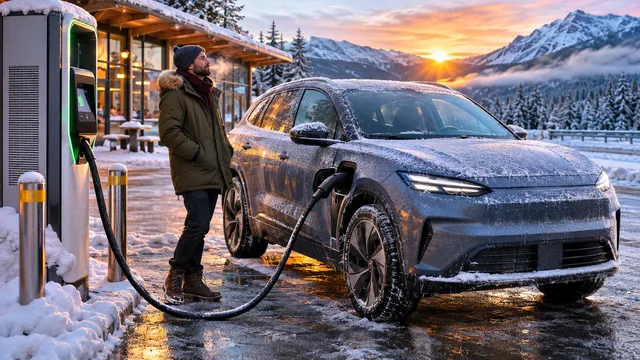
A winter car emergency kit for an electric vehicle should include the same personal safety supplies as a gasoline-powered car, with special attention to charging availability and battery range. Low temperatures can reduce usable range, and cabin heating uses energy that may be needed to reach a charger.
Drivers should begin winter trips with sufficient charge, verify charging locations, and avoid assuming every listed charger is operational or accessible during a storm. Use the vehicle's range estimates conservatively when route conditions involve freezing weather, steep grades, or extended delays.
An EV may provide cabin heat without a combustion exhaust, but heating still draws energy from the battery. Follow the vehicle manufacturer's guidance on energy conservation, battery conditioning, and safe roadside procedures.
Do EV Owners Need a Portable Battery Charger?
A typical household power bank can charge a phone, not the traction battery of an electric vehicle. Owners should not assume that a small portable power station can restore meaningful driving range.
Approved charging cables or adapters may be useful when suitable charging infrastructure is available. Equipment must be compatible with the vehicle and electrical supply and used according to the manufacturer's instructions.
The most dependable EV winter preparedness strategy remains sufficient charge, route planning, and a backup travel option when charging becomes unavailable.
Check the Vehicle Before You Depend on an Emergency Kit
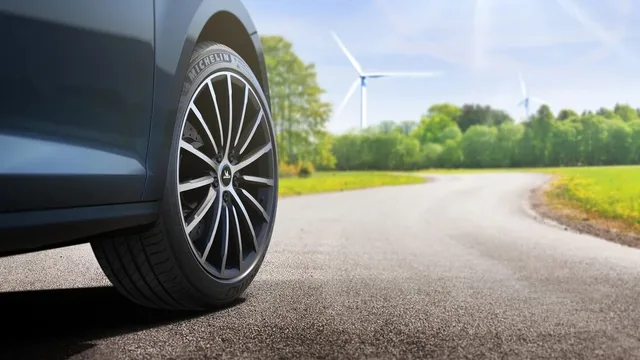
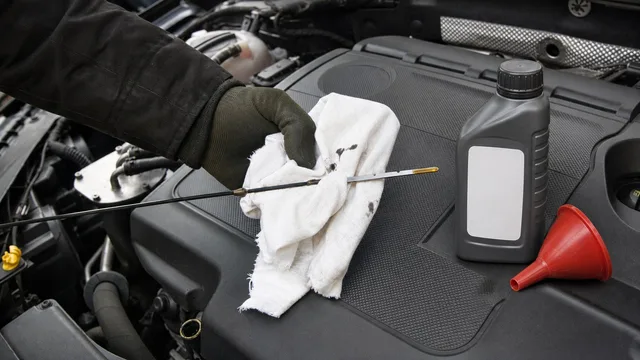
A winter car emergency kit is most useful as a backup to preventive maintenance. Tires, brakes, lights, windshield visibility, coolant, and battery condition influence whether a driver becomes stranded in the first place.
NHTSA recommends checking vehicle systems ahead of winter conditions. The vehicle's specific maintenance requirements should be taken from the owner's manual and any applicable manufacturer service guidance.
The following inspection priorities are especially relevant.
Component | What to check | Why it matters |
Tires | Pressure, tread and winter suitability | Traction and stopping performance |
Battery | Condition and starting reliability | Cold-weather starting |
Coolant | Correct formulation and condition | Freeze protection |
Wipers | Blade condition and operation | Visibility |
Washer fluid | Winter-rated fluid | Prevents freezing and blocked washing |
Lights | Headlights, brakes and signals | Visibility to other drivers |
Brakes | Proper operation | Control on slippery roads |
Defroster | Heating and window clearing | Prevents obstructed visibility |
Fuel or charge | Adequate operating reserve | Reduces risk of becoming stranded |
Completing these checks before a major trip can prevent common winter breakdowns. If a serious mechanical issue is discovered, postpone travel until the vehicle can be evaluated.
For drivers comparing the costs of maintaining an older vehicle, the site's used-car history guide provides additional context on identifying vehicle problems. A service record can help reveal previous issues, but an inspection is still necessary.
What to Do if You Get Stranded in a Winter Storm
If stranded during a winter storm, prioritize immediate safety, communicate your location, and avoid actions that increase exposure to traffic or extreme weather. The right response depends on whether the vehicle is safely off the roadway, whether emergency services are accessible, and whether shelter is nearby.
When the vehicle is stopped in a relatively safe location, the following sequence can help organize the response.
- Assess immediate dangers. Determine whether traffic, flooding, drifting snow, or another hazard makes the location unsafe.
- Contact emergency services when necessary. Call 911 for immediate danger, injuries, or a life-threatening situation.
- Share your location. Provide highway numbers, mile markers, nearby exits, or GPS coordinates if available.
- Stay visible. Use appropriate hazard lights or warning equipment without entering unsafe traffic.
- Conserve warmth. Put on dry insulating layers and use blankets.
- Conserve phone power. Reduce unnecessary screen use while maintaining communication capability.
- Use food and water appropriately. Ration supplies sensibly during extended waits.
- Follow official instructions. Road crews and emergency responders may direct evacuation or shelter arrangements.
These steps are a framework rather than a substitute for emergency dispatch guidance. Do not walk away from a vehicle in dangerous conditions solely because you believe help may be nearby.
Should You Leave the Vehicle to Find Help?
Leaving a vehicle in severe winter weather can increase exposure to cold, disorientation, traffic, and limited visibility. Remaining with a safely positioned vehicle often provides shelter and makes a person easier for rescuers to locate.
There are exceptions, particularly when the vehicle is in immediate danger or a safe nearby shelter is clearly accessible. Follow emergency responders' instructions and evaluate actual conditions instead of applying a universal rule.
If walking is unavoidable, avoid entering active traffic lanes and do not rely on navigation alone during low-visibility conditions.
How to Build a Winter Car Emergency Kit for Kids and Pets
A winter car emergency kit for families should account for passengers who cannot manage cold exposure or basic needs independently. Additional clothing, food, drinking water, and any essential medications may be necessary.
For children, pack appropriately sized warm clothing, spare gloves, dry socks, and age-appropriate food. Keep child restraint systems correctly installed and do not add bulky clothing or accessories that interfere with harness fit.
For pets, bring a secure carrier or restraint, suitable food, drinking water, and an insulating blanket. Do not leave children or animals alone in a disabled vehicle while searching for assistance.
Where Should You Store a Winter Emergency Kit?
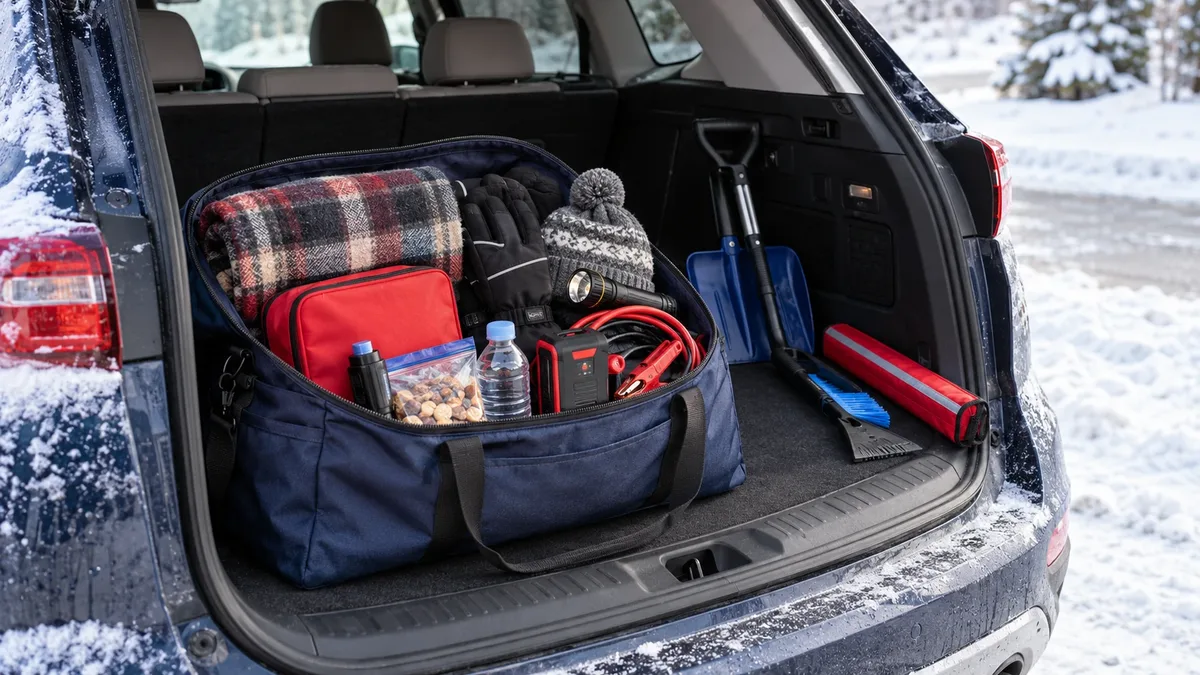
A winter car emergency kit should be secured where its contents are protected and accessible. Soft items such as blankets and clothing can be packed in a bag, while heavy tools and equipment should be properly restrained.
A trunk organizer may work well for a shovel, traction material, and jumper cables. However, some personal essentials should remain reachable from the passenger compartment if snow or damage prevents opening the trunk.
Avoid storing lithium battery packs where temperatures exceed their manufacturer-approved storage range. Extreme cold can also reduce temporary battery performance, so inspect and charge portable devices regularly.
When Should You Replace Emergency Supplies?
A winter car emergency kit should be inspected before the cold season and after any emergency in which supplies were used. Food expiration dates, water-container integrity, flashlight batteries, and power-bank charge levels all require attention.
Clothing should be checked for moisture or damage, and emergency equipment should be returned to its designated location after use. Replace damaged traction equipment and confirm that any jump starter remains functional.
A simple recurring reminder can prevent the kit from becoming a collection of expired or nonworking supplies.
Frequently Asked Questions About Winter Car Emergency Kits
What should be in a winter car emergency kit?
A winter car emergency kit should contain blankets, warm clothing, water, food, flashlight, phone charging equipment, first-aid supplies, a snow shovel, ice scraper, traction material, and warning devices. Adjust quantities for passenger needs and expected travel conditions. Remote journeys require more supplies than short urban commutes.
Do you need a shovel in a winter car emergency kit?
A compact shovel is useful for clearing snow around tires or an exhaust outlet when it is safe to do so. It cannot free every stuck vehicle, particularly in deep or compacted snow. Roadside recovery may be necessary.
How much food should you keep in your car during winter?
Carry enough shelf-stable food for anticipated travel disruptions and the number of occupants. Remote routes or severe conditions justify additional supplies. Inspect expiration dates and avoid items that become unusable after freezing.
Can a car battery die more easily in cold weather?
Cold temperatures can reduce battery performance and make starting more difficult. Battery age and condition also matter. A prewinter inspection can identify a weakening battery before it causes a breakdown.
Is it safe to sleep in a car with the engine running?
Sleeping with the engine running can create a serious carbon monoxide hazard, especially when snow obstructs the exhaust system. Do not rely on idling as a safe overnight heating solution. Seek emergency assistance and follow official guidance when stranded.
What is the best winter emergency kit for an SUV?
An SUV needs the same core supplies as a sedan, including warmth, water, communication, traction equipment, and first aid. Extra cargo space can support more supplies, but equipment must remain secured. All-wheel drive does not eliminate the risks of snow and ice.
Should an electric car have a different winter emergency kit?
An electric car should carry the same passenger safety supplies, along with charging equipment appropriate to the vehicle and a carefully planned route. Cold temperatures may reduce driving range and charging performance. A normal phone power bank cannot meaningfully recharge a vehicle traction battery.
How often should you inspect a winter car emergency kit?
Inspect the kit before winter and after using any supplies. Check batteries, food, water containers, clothing, and charging devices. Replace missing or damaged items before the next trip.
The Bottom Line
A winter car emergency kit is most valuable when it addresses the realistic consequences of a winter breakdown: cold exposure, delayed rescue, poor visibility, and limited communication. A thoughtful selection of warmth, water, food, lighting, and basic roadside tools can make an unexpected wait safer.
The kit should support a vehicle that has already been checked for winter readiness. The strongest winter safety plan combines essential supplies, preventive maintenance, reliable weather information, and a willingness to delay dangerous travel.
Spotted an error? Tell our editors. Read our corrections policy.