Just Bought a House? These 15 Things Should Come Before Unpacking
The keys are finally yours, but unpacking can wait. From changing the locks and finding the water shutoff to protecting closing documents and planning repairs, these are the things new homeowners should handle first.
This article is general information, not financial advice. Rates, prices and rules change; check the details with a qualified professional or the lender before you decide.
In this article
- What Is the First Thing to Do After Buying a House?
- First Things to Do After Buying a House at a Glance
- What Should You Do on the First Day After Buying a House?
- Confirm That Electricity, Water, Gas, and Other Utilities Are Active
- Test Smoke and Carbon Monoxide Alarms
- Review Your Homeowners Insurance After Closing
- Keep the Entire Closing Packet in a Safe Place
- Be Careful With Post-Closing Mail and Payment Requests
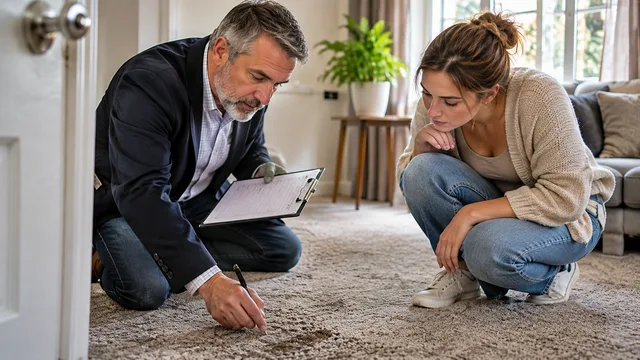
- Review the Home Inspection Report Again
- Check the HVAC System and Replace an Unknown Filter
- Deep Clean Before the House Is Fully Unpacked
- Update Your Address and Important Accounts
- Verify Your Mortgage Servicer and First Payment Date
- Build a Realistic New Homeowner Budget
- Start an Emergency Home Repair Fund
- Keep Records of Major Home Improvements From Day One
- What Should You Avoid Doing Right After Buying a House?
- What to Do During the First 30 Days After Buying a House
- Common Mistakes After Buying a House
- The Bottom Line
The first thing to do after buying a house is secure the property. Change or rekey the exterior locks, reset garage-door and smart-home access, and make sure previous owners, contractors, cleaners, or other people can no longer enter with an old key or code.
After security, focus on the systems that can create an expensive problem if something goes wrong: utilities, water, electricity, gas, smoke and carbon monoxide alarms, insurance, and urgent repairs. Decorating, new furniture, and cosmetic renovations can wait.
Buying a home creates a long list of possible projects, but not all of them deserve the same priority. A practical new-homeowner plan starts with security and safety on Day 1, essential administration during the first week, and budgeting and maintenance during the first month.
What Is the First Thing to Do After Buying a House?
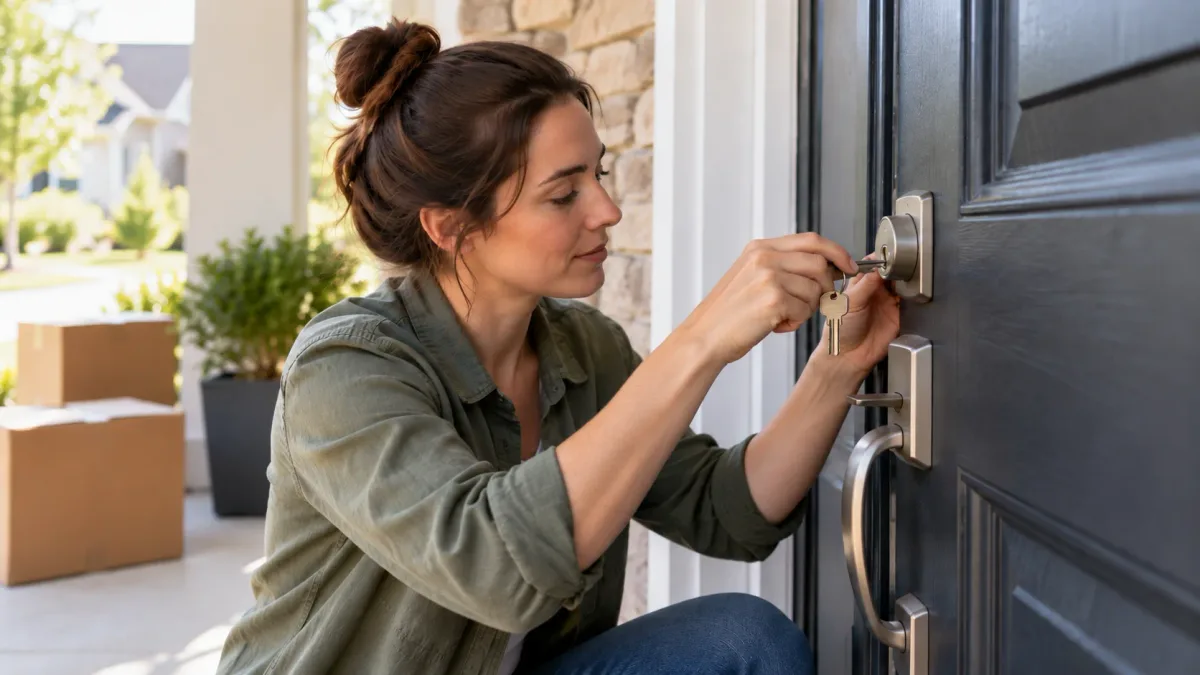
The first thing to do after buying a house is to change or rekey the exterior locks. Even if the seller returns every known key, a buyer usually has no way to know how many copies were made while the previous owner lived there.
Old keys may have been given to relatives, neighbors, house cleaners, contractors, pet sitters, or tenants. Rekeying compatible locks is often enough to make the old keys useless without replacing the entire lock assembly.
At the same time, reset every other entry method connected with the house:
- Front, back, side, and garage door locks.
- Garage-door remotes and keypad codes.
- Smart locks and connected doorbells.
- Security system PINs.
- Gate codes.
- Smart-home accounts with remote access.
- Hidden spare keys left around the property.
The goal on Day 1 is simple: know exactly who can enter the home. Once that is handled, move on to utilities and emergency systems.
First Things to Do After Buying a House at a Glance
A new homeowner does not need to finish everything on closing day. The most useful approach is to separate urgent tasks from things that can safely wait a few days or weeks.
First things to do after buying a house checklist by priority and timing
Priority | What to do | Best time |
|---|---|---|
1 | Change or rekey exterior locks | Day 1 |
2 | Reset garage, security, and smart-home access | Day 1 |
3 | Confirm essential utilities | Day 1 |
4 | Locate water, electrical, and gas shutoffs | Day 1 |
5 | Test smoke and carbon monoxide alarms | Day 1 |
6 | Confirm homeowners insurance information | First few days |
7 | Secure closing and mortgage documents | First few days |
8 | Review the inspection report for urgent repairs | First week |
9 | Change the HVAC filter if its history is unknown | First week |
10 | Update your address | First week |
11 | Verify mortgage servicing and payment details | First month |
12 | Build a homeowner budget | First month |
13 | Create a home maintenance schedule | First month |
14 | Start an emergency repair fund | First month |
15 | Keep records of improvements and major work | Ongoing |
The order matters more than the speed. A secure house with working safety systems and money reserved for repairs is a better starting point than a freshly decorated house with unresolved maintenance problems.
What Should You Do on the First Day After Buying a House?
After securing the doors, learn how to shut down the home's major systems in an emergency. A leak, electrical problem, or equipment failure is much easier to control when the homeowner already knows where the relevant shutoff is located.
This should happen before boxes and furniture make utility areas harder to access.
Find the Main Water Shutoff
Locate the main water shutoff valve and make sure every adult in the household knows where it is. Depending on the property, it may be in a basement, crawl space, utility room, garage, near the water meter, or outside.
A burst supply line or major plumbing leak can cause substantial damage in a short period. Knowing how to stop the water immediately can be more important than knowing where almost anything else in the house is located.
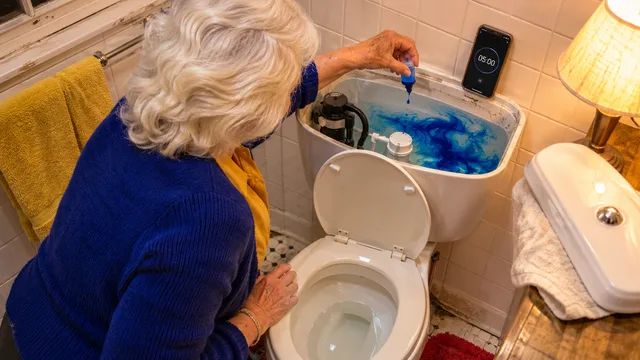
It is also useful to identify local shutoff valves for toilets, sinks, washing machines, and other fixtures.
Find the Electrical Panel
Locate the main electrical panel and check whether the breakers are labeled clearly and accurately. At minimum, new homeowners should know how to shut off power to the whole property and identify circuits serving major appliances and important rooms.
Do not assume handwritten labels left by the previous owner are correct. They can be verified gradually and relabeled as the house becomes more familiar.
Find the Gas Shutoff if the Home Uses Gas
Homes with natural gas or propane should have a clearly identified shutoff. Learn where it is and follow the utility provider's instructions for emergencies.
If there is a suspected gas leak, leave the property and follow the emergency guidance from the gas utility or local emergency services rather than trying to diagnose the problem indoors.
Knowing these emergency controls is one of the most important things to do after buying a house because the information may eventually be needed under pressure.
Confirm That Electricity, Water, Gas, and Other Utilities Are Active
Essential utilities should ideally be transferred around the closing date, but new homeowners should confirm that each account is active in their name. This avoids an unexpected interruption when a seller closes an old account.
Check the services that apply to the property:
- Electricity.
- Water and sewer.
- Natural gas or propane.
- Trash and recycling.
- Internet.
- Security monitoring.
- HOA-managed utilities or services.
Internet can usually tolerate a short delay. Water, electricity, and heating or cooling generally cannot.
For homeowners still planning a purchase rather than moving in, a detailed first-time home buyer checklist can help organize the steps that need to happen before and immediately after closing.
Test Smoke and Carbon Monoxide Alarms
Smoke and carbon monoxide alarms should be checked as soon as possible after taking possession of the house. Do not assume a device works simply because it is mounted on the ceiling or wall.
Test each alarm according to its manufacturer's instructions and check its age or replacement date. Replace batteries when their history is unknown and replace the alarm itself if it has reached the end of its recommended service life.
The appropriate number and placement of alarms can depend on the home and local requirements. Local fire authorities and current building or residential codes can provide location-specific guidance.
Safety equipment belongs near the top of the new-homeowner checklist, not on a future renovation list.
Review Your Homeowners Insurance After Closing
Homeowners insurance is generally arranged before closing when a mortgage lender requires it, but the new owner should still review the final policy. Confirm the insured address, effective date, deductible, coverage limits, and contact information.
It is equally important to understand major exclusions. Floods, earthquakes, and other hazards may require separate coverage depending on the policy and location.
The Consumer Financial Protection Bureau's post-closing guidance also recommends reviewing homeowners insurance and understanding how future housing expenses fit into the household budget.
A policy should not simply exist. The homeowner should understand what financial risks it actually covers.
Keep the Entire Closing Packet in a Safe Place
One of the easiest first things to do after buying a house is also one of the easiest to overlook: organize the closing documents before they disappear into moving boxes.
The Consumer Financial Protection Bureau recommends keeping the full final loan and purchase file and specifically identifies four important documents:
- Closing Disclosure.
- Promissory Note.
- Mortgage, Security Instrument, or Deed of Trust.
- Deed.
Create one secure location for the originals or final electronic files. A backed-up digital copy can also make important paperwork easier to retrieve years later.
Other useful property records may include:
- Title insurance documents.
- Homeowners insurance records.
- Inspection reports.
- Surveys.
- Warranties.
- HOA documents.
- Appliance manuals.
- Contractor invoices.
- Permits.
- Receipts for improvements.
This paperwork can matter during refinancing, insurance claims, renovations, tax calculations, or an eventual sale.
Be Careful With Post-Closing Mail and Payment Requests
New homeowners may receive a surprising amount of mail shortly after closing. Some of it is legitimate advertising, while other messages may be designed to look more official than they really are.
The CFPB notes that mortgage and deed information can become part of the public record after closing. Businesses may use publicly available details such as a homeowner's name, lender, loan amount, or address to send solicitations.
Be especially cautious when unfamiliar mail, email, or phone messages ask a new homeowner to:
- Pay an unexpected mortgage-related fee.
- Purchase an urgent service.
- Provide account or banking information.
- Call an unfamiliar number to prevent a supposed loan problem.
- Redirect a payment to a new account.
Mortgage payment instructions should be verified through a known lender or loan servicer, not through an unexpected message.
This is another reason to keep the original loan documents easy to access.
Review the Home Inspection Report Again
The inspection report should not be forgotten after the sale closes. It can become a practical maintenance roadmap for the first year of ownership.
Instead of trying to address every observation immediately, separate the report into three groups.
Fix Now
Start with issues that can affect safety, structure, active water intrusion, electrical systems, major leaks, or equipment that could fail soon.
These are usually more important than cosmetic projects because delaying them may increase damage or repair costs.
Schedule Soon
The second group includes problems that are not immediate emergencies but deserve attention within the coming weeks or months. Examples might include aging components, drainage concerns, minor plumbing issues, deteriorated caulk or seals, and maintenance recommended for major systems.
Putting these tasks on a calendar makes them much less likely to be forgotten.
Monitor
Some inspection findings do not require immediate work. Keep photographs, measurements, and notes where useful so changes can be compared over time.
Anyone still evaluating a property can also use a list of questions to ask when buying a home before closing to identify maintenance, system, and ownership issues earlier.
The inspection report becomes much more valuable when it is treated as a prioritized action plan rather than a document from the buying process.
Check the HVAC System and Replace an Unknown Filter
If there is no reliable record of when the HVAC filter was changed, checking it should be one of the first maintenance tasks after buying a house. A clean starting point makes future maintenance easier to track.
Record the filter dimensions and type, then identify the make, model, and approximate age of the HVAC equipment when possible. Photographing model and serial numbers can make future service calls easier.
Do the same for other major systems and appliances:
- Water heater.
- Furnace or heat pump.
- Air-conditioning equipment.
- Sump pump.
- Well equipment.
- Septic system.
- Irrigation controls.
- Major kitchen appliances.
New homeowners do not need to become repair experts. They do need to know what equipment the home has, where it is, and how to find basic information about it.
Deep Clean Before the House Is Fully Unpacked
An empty or nearly empty home offers a cleaning opportunity that will not come again easily. Floors, closets, cabinets, baseboards, vents, and spaces behind appliances are much easier to access before furniture is in place.
A thorough cleaning also doubles as a closer inspection of the property. It may reveal small leaks, damaged seals, pest activity, moisture, loose hardware, or other issues that were not obvious during a showing.
Areas worth checking include:
- Inside cabinets and closets.
- Under sinks.
- Behind the refrigerator and range.
- Around toilets and showers.
- Window frames.
- Basement and utility areas.
- Attic access areas.
- Air registers and returns.
The purpose is not to make the home cosmetically perfect. It is to establish a clean baseline and notice problems early.
Update Your Address and Important Accounts
Address changes should begin during the first week after buying a house. Mail forwarding helps, but it does not replace updating important organizations directly.
Depending on the household, updates may include:
- U.S. Postal Service.
- Banks and credit card issuers.
- Employer and payroll records.
- Insurance providers.
- Driver's license and vehicle registration.
- Voter registration.
- Healthcare providers.
- Schools.
- Professional licenses.
- Subscription services.
- Online shopping accounts and recurring deliveries.
Deadlines and procedures for driver's licenses, vehicle registrations, and similar records vary by state. Check the requirements of the state where the new home is located instead of assuming a national deadline applies.
Once the major accounts are updated, keep a running list for smaller services that may only become obvious when the next statement or delivery arrives.
Verify Your Mortgage Servicer and First Payment Date
New homeowners with a mortgage should know who accepts their monthly payment, when the first payment is due, and how the account is accessed. This should be verified from trusted loan documents or directly through the lender or servicer.
Check:
- Mortgage servicer name.
- First payment due date.
- Official payment method.
- Online account access.
- Whether automatic payments are available.
- Whether property taxes and insurance are paid through escrow.
- Contact information for billing questions.
The CFPB advises borrowers to retain their mortgage documents after closing, which also provides an important reference if payment information becomes confusing.
Before considering extra principal payments, make sure the regular mortgage, utilities, insurance, taxes, maintenance, and emergency savings comfortably fit into the household budget. Homeowners who want to explore different loan payments can also use the mortgage calculator when comparing rates, terms, or future financing scenarios.
Build a Realistic New Homeowner Budget
One of the most important things to do after buying a house during the first month is calculate what the property actually costs to own. The mortgage payment alone does not provide the full number.
A homeowner budget may need to include:
- Mortgage principal and interest.
- Property taxes.
- Homeowners insurance.
- HOA dues.
- Electricity.
- Natural gas or propane.
- Water and sewer.
- Trash collection.
- Internet.
- Lawn or landscaping costs.
- Pest control.
- Routine maintenance.
- Repairs.
- Future appliance replacement.
There is no single maintenance percentage that is correct for every property. A recently built small home and an older house with aging roofing, plumbing, or HVAC systems can have very different repair needs.
Base the reserve on the actual condition, age, size, and systems of the home rather than treating a generic rule of thumb as a guarantee.
Home buyers who are still working out what they can comfortably spend can use the home affordability calculator before committing to a price range.
Start an Emergency Home Repair Fund
Homeownership turns many problems that once belonged to a landlord into household expenses. A failed water heater, leaking pipe, broken appliance, or HVAC repair may need attention without much warning.
That makes cash reserves especially valuable after buying a house. The CFPB's mortgage closing checklist recommends planning for future expenses and setting aside money to cover essential repairs or a loss of income.
Avoid exhausting remaining savings on furniture or renovations immediately after closing. A cash buffer is one of the most useful things a new homeowner can have when an unexpected repair arrives.
The appropriate reserve depends on the household's finances and the property rather than a universal dollar amount.
Keep Records of Major Home Improvements From Day One
Receipts and invoices for substantial improvements should be saved from the beginning of ownership. These records may become important much later when calculating the home's adjusted tax basis.
IRS Publication 523 explains that qualifying improvements can increase a property's basis when they add value, prolong its useful life, or adapt it to new uses. Examples can include additions, a new roof, major systems, flooring, landscaping, and substantial modernization.
Routine repairs and maintenance are generally treated differently from capital improvements for basis purposes.
For significant projects, keep:
- Contracts.
- Invoices.
- Receipts.
- Permits.
- Dates of work.
- Before-and-after photographs.
- Product and warranty information.
The IRS also advises homeowners to maintain records supporting adjustments to the property's basis.
Saving a receipt today is much easier than reconstructing the cost of a renovation 15 years from now.
What Should You Avoid Doing Right After Buying a House?
The biggest mistake is treating every desired improvement as urgent. Unless an issue affects safety, habitability, water intrusion, structure, or an essential system, homeowners usually have time to understand the property before making major changes.
Several expensive decisions can often wait:
- Major Cosmetic Renovations. Living in the home first can reveal how rooms, lighting, storage, and traffic patterns actually function.
- Replacing Working Appliances. An older appliance does not necessarily require immediate replacement if it is functioning safely and reliably.
- Buying Every Piece of Furniture at Once. Keeping cash available may be more valuable during the first months of ownership.
- Large Landscaping Projects. Observing drainage, sunlight, existing plants, and seasonal conditions can prevent expensive mistakes.
- Nonessential Smart-Home Upgrades. Security-related access should be reset immediately, but convenience upgrades can wait.
The CFPB's closing guidance similarly encourages homeowners to settle into their new budget before taking on major unplanned or nonessential repairs and renovations.
That does not mean avoiding improvement. It means learning what the house actually needs before spending heavily on what it merely appears to need.
What to Do During the First 30 Days After Buying a House
The first month is easier when tasks are divided into stages instead of treated as one giant checklist. Security and safety come first, followed by paperwork, maintenance, and financial planning.
Day 1
Handle anything that protects the property or allows you to respond to an emergency:
- Change or rekey locks.
- Reset access codes.
- Confirm essential utilities.
- Find shutoff valves and the electrical panel.
- Test smoke and carbon monoxide alarms.
Once those tasks are complete, the house is substantially safer to occupy.
First Week
Use the first week to understand the home's condition and organize ownership records:
- Review homeowners insurance.
- Secure closing documents.
- Revisit the inspection report.
- Check the HVAC filter.
- Deep clean.
- Update important addresses.
- Record information for major home systems.
This stage establishes the information needed to manage the property rather than simply live in it.
First Month
Use the rest of the month to establish longer-term financial and maintenance habits:
- Verify mortgage payment procedures.
- Build the full homeowner budget.
- Start or replenish an emergency fund.
- Schedule important maintenance.
- Prioritize repairs.
- Organize receipts and improvement records.
- Plan future projects instead of starting all of them immediately.
For a broader view of the purchase itself, the process of buying a home explains the steps that lead up to closing and ownership.
By the end of the first month, the goal is not to have a finished house. It is to have a secure, understood, financially manageable home.
Common Mistakes After Buying a House
Most early homeowner mistakes come from giving too much attention to visible upgrades and too little attention to the property's systems, paperwork, and ongoing costs.
Spending Too Much Cash Immediately
Closing, moving, furniture, and small purchases can quickly reduce cash reserves. Adding a major remodel immediately afterward can leave little room for an unexpected repair.
Keeping part of the remaining cash accessible provides more flexibility while the true operating costs of the home become clear.
Prioritizing Appearance Over Repairs
Fresh paint, flooring, or furniture can make a home feel finished quickly, but a roof leak, unsafe electrical issue, plumbing problem, or drainage concern deserves attention first.
Projects that prevent damage or protect occupants should usually come before projects that mainly change appearance.
Ignoring the Inspection Report
The inspection is most useful when its findings become a maintenance plan. Leaving the report untouched after closing can mean forgetting smaller issues until they become more expensive.
Review it periodically and update each important item as completed, scheduled, or monitored.
Losing Important Records
Closing documents, warranty paperwork, permits, and home-improvement receipts may remain relevant for years. A simple physical and digital filing system can prevent considerable trouble later.
Renovating Before Understanding the House
Priorities often change after several weeks or months of living in a property. Storage needs become clearer, sunlight changes, weather reveals drainage patterns, and rooms may function differently than expected.
Unless a project is urgent, observation can be surprisingly valuable.
The Bottom Line
The first thing to do after buying a house is not unpack every box or start a renovation. Secure the property first, then make sure the systems that protect the home and its occupants are understood and working properly.
From there, priorities should move in a logical order: utilities, emergency shutoffs, alarms, insurance, closing documents, inspection items, mortgage administration, budgeting, and maintenance.
There will always be another room to improve or another item to buy. The first weeks of homeownership are better spent creating something more valuable: a secure home, a clear financial plan, and a practical understanding of the property you now own.
Frequently asked questions
What is the first thing to do after buying a house?
The first thing to do after buying a house is secure the property by changing or rekeying exterior locks. Reset garage-door controls, alarm codes, smart locks, and other access systems at the same time.
What should I do immediately after closing on a house?
After closing, secure the home, confirm essential utilities, locate emergency shutoffs, test smoke and carbon monoxide alarms, review insurance, and safely store the final closing documents. Urgent safety and maintenance problems should be addressed before cosmetic projects.
Should you change the locks after buying a house?
Yes. Changing or rekeying exterior locks prevents unknown copies of old keys from continuing to work. Previous owners may have shared keys with relatives, cleaners, contractors, neighbors, or other people.
What documents should you keep after buying a house?
Keep the complete closing packet. The CFPB specifically identifies the Closing Disclosure, Promissory Note, mortgage or Deed of Trust, and deed as important post-closing documents.
What should a first-time homeowner check first?
A first-time homeowner should check access security, utilities, smoke and carbon monoxide alarms, emergency shutoffs, insurance, the inspection report, and major home systems. These areas have greater immediate consequences than cosmetic improvements.
Should you renovate immediately after buying a house?
Not necessarily. Urgent repairs should be completed promptly, but major nonessential renovations can often wait until the homeowner understands the property and its actual monthly costs.
How much money should you keep after buying a house?
There is no single amount that works for every household. The reserve should reflect monthly expenses, income stability, the home's condition, major systems, expected repairs, and other financial obligations.
What should you buy first after buying a house?
Prioritize items related to safety, security, and essential maintenance. Depending on what the home already has, that could include lock hardware, alarm batteries, smoke or carbon monoxide alarms, an HVAC filter, basic tools, cleaning supplies, or equipment needed for an immediate repair.
What should you do in the first month after buying a house?
During the first month, complete urgent repairs, organize property records, verify mortgage payments, update addresses, establish a maintenance schedule, build a realistic household budget, and start keeping records of major improvements.
Sources
- Consumer Financial Protection Bureau, Closing on your new home
- Internal Revenue Service, Publication 523, Selling Your Home
- Consumer Financial Protection Bureau, Buying a house
Spotted an error? Tell our editors. Read our corrections policy.