Winter Home Preparation Checklist: Protect Your House Before Temperatures Drop
Winter damage often begins before the first major snowstorm. This practical guide helps U.S. homeowners prioritize exposed plumbing, heating safety, drafts, gutters, emergency supplies and insurance, with different plans for a weekend, a freeze warning and a tight budget.
This article is general information, not financial advice. Rates, prices and rules change; check the details with a qualified professional or the lender before you decide.
In this article
- Winter Home Preparation Checklist: What Should You Do First?
- How Do You Keep Water Pipes From Freezing?
- How Should You Prepare a Furnace, Boiler or Heat Pump?
- How Do You Stop Cold Drafts Without Trapping Moisture?
- What Should You Check on the Roof, Gutters and Attic?
- What Outdoor Tasks Matter Before the First Freeze?
- How Do You Prepare for a Winter Power Outage?
- What Are the Safest Ways to Use Space Heaters and Fireplaces?
- Does Homeowners Insurance Cover Frozen Pipes or Ice Damage?
- How Much Should Winterizing a Home Cost?
- Does the Checklist Change for Apartments, Manufactured Homes or Vacant Houses?
- What Should You Do 30 Days, Seven Days and 24 Hours Before a Freeze?
- Common Winter Home Preparation Mistakes That Create Bigger Problems
- Winter Home Preparation Checklist FAQ
- The Bottom Line: Finish the High-Risk Tasks Before the Freeze
A winter home preparation checklist should start with four priorities: prevent frozen pipes, confirm that the heating system works safely, stop major air leaks, and prepare for a power outage. Before the first hard freeze, disconnect outdoor hoses, protect exposed plumbing, check smoke and carbon monoxide alarms, and inspect the roof and gutters from a safe location. These steps matter more than buying decorative winter supplies because a failed pipe, heating system, or backup-power plan can create expensive damage or immediate danger.
The right winter home preparation checklist depends on where the house sits and how it is built. A northern home may need attic insulation and ice-dam prevention, while a southern home with plumbing in an unheated exterior wall may be vulnerable during an unusual cold snap. An older house, mobile or manufactured home, vacation property, or apartment with shared systems also requires different decisions, so a universal shopping list is not enough.
Winter Home Preparation Checklist: What Should You Do First?
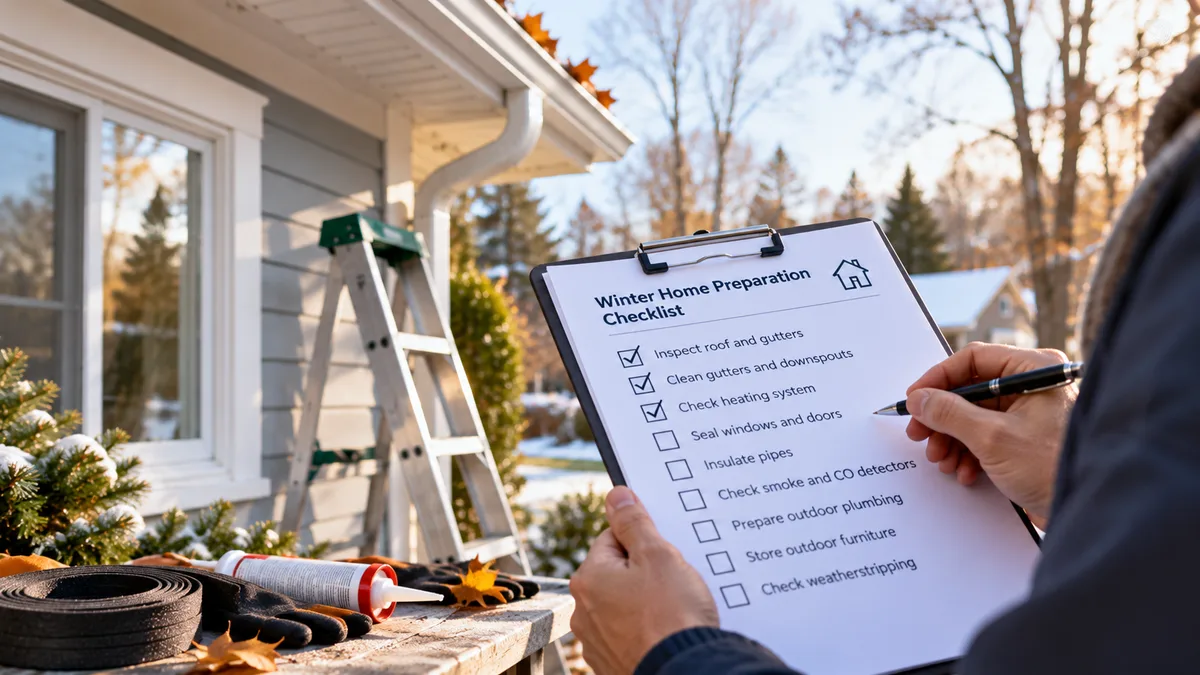
The most useful winter home preparation checklist is organized by risk and deadline, not room by room. Work that prevents water damage and carbon monoxide exposure comes before inexpensive comfort upgrades, while roof repairs and heating-system service should be scheduled before contractors become fully booked. Use the following order when the first freeze is approaching and time is limited.
Priority | Before a freeze warning | Before sustained winter weather | Who should handle it |
Critical | Remove hoses, protect outdoor faucets, locate main water shutoff | Insulate exposed lines and address known freeze points | Homeowner or plumber |
Critical | Test heating and smoke/CO alarms | Schedule professional heating and chimney service | Homeowner plus qualified technician |
High | Check flashlight, medication, water and phone charging | Prepare a multi-day outage plan | Household |
High | Look for loose gutters, blocked downspouts and roof trouble | Repair defects and assess attic moisture or ice dams | Ground-level review; qualified contractor for heights |
Medium | Weatherstrip leaking doors and windows | Evaluate insulation and attic air sealing | Safe DIY or specialist |
Medium | Review insurance contacts, deductibles and emergency funds | Update maintenance schedule | Household |
This sequence is a planning tool, not a substitute for local building codes, equipment manuals or a qualified inspection. The National Weather Service specifically recommends weatherstripping, insulating exposed pipes, attic insulation, chimney checks, clean gutters and working alarms as part of preparing a home for winter. Not every item needs to be purchased or replaced every year; inspection should determine which investments are actually justified.
How Do You Keep Water Pipes From Freezing?
Preventing frozen plumbing belongs near the top of every winter home preparation checklist because freezing water expands and may rupture pipes. The most exposed lines are often outdoor hose connections, irrigation systems, pipes in garages, crawl spaces and attics, and plumbing along poorly insulated exterior walls. Both hot- and cold-water supply lines can freeze, so looking only at cold-water pipes is a mistake.
Begin by detaching, draining and storing garden hoses, then locate the interior shutoff valves for outdoor faucets if the house has them. Close the appropriate supply valve and drain the exterior fixture following its design, while having irrigation lines winterized according to the manufacturer's directions. A frost-free hose bib offers protection only when correctly installed and the hose is removed so the assembly can drain.
For interior plumbing, inspect pipe sections in unheated or drafty locations. Use insulation sleeves suitable for the pipe and setting, seal nearby air leaks without blocking necessary ventilation, and consider approved heat cable only when its product instructions and electrical requirements can be followed. If a pipe is difficult to reach or close to electrical equipment, a licensed professional is a safer option than improvising a heat source.
Should faucets drip when temperatures fall below freezing?
A slow drip can help protect vulnerable pipes during severe cold, but leaving every tap running all winter is not a sensible universal rule. The American Red Cross advises a trickle from faucets served by exposed piping when outdoor conditions are extremely cold, along with opening sink-cabinet doors to let heated room air reach the pipes. Check local water restrictions, utility guidance and whether a vulnerable line actually needs this extra precaution.
Indoor heat is also essential. For a home left unattended during cold weather, the Red Cross recommends a thermostat setting no lower than 55°F as a general precaution, although a particular building may require more warmth. Keep garage doors shut where plumbing runs through the garage, and move household chemicals out of children's reach before opening under-sink cabinets.
Where is the main water shutoff and when should you use it?
Every winter home preparation checklist should include finding and testing the home's main water shutoff before a pipe bursts. Common locations include a basement, utility room, crawl space, garage or point where the service line enters the house, but the exact arrangement varies. Know whether it is a lever or a wheel valve, show another adult where it is, and arrange service if the valve is inaccessible, stuck or leaking.
If water is pouring from a burst pipe, shut off the supply promptly, avoid electrical hazards and contact a plumber. If a faucet only produces a trickle and you suspect ice, open it and apply gentle warmth to an accessible section of pipe if it is safe to do so. Never use a blowtorch, charcoal burner or other open flame to thaw plumbing; if the frozen section is hidden, damaged or cannot be thawed safely, call a licensed plumber.
How Should You Prepare a Furnace, Boiler or Heat Pump?
A winter home preparation checklist should verify that the primary heating system can operate before the first cold night. Test the thermostat in heating mode, listen for unusual sounds, check for persistent odors or error messages, and make sure supply and return vents are not blocked. A unit that turns on once is not necessarily ready for months of operation, so professional service should be part of the plan when due.
For forced-air systems, inspect or replace the air filter according to the equipment manufacturer's guidance, and make sure furniture or rugs do not obstruct returns. For combustion systems, have a qualified technician inspect appropriate venting and safety components; for fireplaces and wood stoves, arrange an inspection of chimneys and flues before use. Do not disassemble gas valves, vent connectors or electrical controls merely to complete a DIY checklist.
Preparing a heat-pump home requires some separate decisions. Clear vegetation and debris around the outdoor unit without violating the manufacturer's clearance requirements, check condensate or drainage arrangements, and confirm that the system can deliver the heat needed during the local design conditions. Modern cold-climate heat pumps can work in subfreezing temperatures, so claims that every heat pump stops working below 32°F are incorrect; backup heat and thermostat behavior depend on the installation.
What is a safe indoor temperature in winter?
There is no single thermostat setting that suits every occupant, structure and health need. During an extreme freeze, a winter home preparation checklist should prioritize keeping vulnerable plumbing and occupied rooms sufficiently warm instead of maximizing energy savings through aggressive setbacks. The Red Cross's 55°F minimum for an unattended home is a general pipe-protection precaution, not a recommended comfort setting for infants, older adults or people with medical vulnerabilities.
A programmable thermostat can reduce unnecessary heating when conditions permit, but a large overnight setback is not always appropriate for a freeze-prone house. Households using heat pumps should follow system-specific instructions because some settings can engage less-efficient auxiliary heating. Consider pipe locations, insulation, outside temperatures and occupants' needs before adjusting the schedule.
How Do You Stop Cold Drafts Without Trapping Moisture?
Air sealing belongs on a winter home preparation checklist because drafts can waste energy and make rooms feel cold even when the thermostat reads normally. Examine doors, window frames, attic hatches and accessible gaps where pipes or wires pass through exterior surfaces. Use weatherstripping on moving joints and suitable caulk on stationary gaps, while maintaining ventilation required for combustion appliances and other building systems.
The U.S. Department of Energy describes air sealing and insulation as complementary measures: sealing blocks uncontrolled airflow, while insulation slows heat transfer. Adding insulation over leaks without dealing with the leaks can leave an attic or wall assembly performing poorly, and uncontrolled moisture can create durability problems. Do not block soffit vents, combustion-air openings or other designed airflow paths simply to make a room feel warmer.
For a modest budget, start with visible door sweeps, worn weatherstripping and clearly identified accessible gaps. Window film or removable insulating panels may help in some situations, but they are not a repair for rotten frames, broken glass, water intrusion or inadequate egress. Before investing in whole-house windows, compare the condition of the existing frames with the cost and expected benefit of targeted sealing.
What Should You Check on the Roof, Gutters and Attic?
A winter home preparation checklist should include a ground-level visual review of the roof, gutters, downspouts, trees and drainage. Look for loose or missing roof materials, damaged gutter sections, water stains in the attic, blocked drainage outlets and branches that could hit the structure under snow or ice. Have roof, ladder, electrical-line and large-tree work performed by qualified people instead of treating them as ordinary weekend chores.
Clean gutters and ensure downspouts carry water away from the foundation before freezing weather. In snow-prone climates, check whether attic insulation, air leaks and ventilation conditions may contribute to ice dams. An ice dam develops when snow melts on a warmer roof section and refreezes near a colder edge, potentially forcing water under roofing materials; the lasting solution usually addresses heat loss and the roof assembly rather than simply hacking away ice.
A house with repeated icicles, attic dampness or ice dams warrants a building-envelope assessment. The Department of Energy identifies attic air sealing, adequate insulation and correctly designed ventilation as important prevention measures for applicable roof types. Do not assume more ventilation is automatically better or that every roof should be vented in the same way; roof assemblies and local codes differ.
This is where homeowners moving into an older property may benefit from Eagle Post Daily's guide to what to know before buying a house. That article discusses major systems, water intrusion and deferred maintenance, which also affect how much winter work a property needs after purchase. A newly renovated interior does not eliminate the need to inspect the roof, attic and drainage.
What Outdoor Tasks Matter Before the First Freeze?
The outdoor portion of a winter home preparation checklist should focus on water, access and falling hazards. Drain irrigation according to the installed system, secure lightweight objects that could move in high winds, inspect walkways for trip hazards and move freeze-sensitive equipment or materials to suitable storage. Protect outdoor plants according to their species and local weather forecast rather than assuming every landscape needs the same covering.
Check that snow shovels or other removal equipment are accessible, and keep approved traction material where it can be reached without crossing an icy yard. Identify locations where melting snow could refreeze on steps or walkways and whether gutter discharge creates a slippery entry. Avoid storing gasoline or other hazardous fuels in occupied indoor living areas, and follow local storage rules for equipment.
Properties with mature trees also need an assessment of dead limbs near the house or electrical service. Do not cut branches near power lines yourself; contact the utility or a qualified arborist. Heavy snow and ice may bring down branches that appear stable in mild weather, particularly after earlier wind or storm damage.
How Do You Prepare for a Winter Power Outage?
A winter home preparation checklist should assume that ice, wind or heavy snow could interrupt power even in an area that rarely gets prolonged snowfall. Charge phones and backup batteries, locate flashlights, plan for medications that require refrigeration or electricity, and know where to obtain reliable local alerts. The National Weather Service recommends supplies sufficient for at least three days, including nonperishable food, water, medication and ways to receive information without normal power.
A useful household planning baseline is one gallon of water per person per day for at least three days. For four people, that is 12 gallons of drinking and basic sanitation water, before accounting for extra needs, pets or medical equipment. Use the actual household's requirements rather than assuming every family can rely on nearby stores or travel during an ice storm.
Household item | What to check before a storm | Why it matters |
Water and food | Three-day minimum, special diets, manual can opener | Stores and pumps may be unavailable |
Medication and first aid | Refills, supplies, safe storage instructions | Pharmacy access can be disrupted |
Light and communications | Flashlights, charged power banks, battery radio | Safer than open flames; enables alerts |
Heating contingency | Safe shelter or an approved backup heat source | Electric-dependent furnaces may stop |
Home operation | Water shutoff, utility contacts, accessible documents | Faster response to leaks or outages |
Household needs | Babies, pets, older adults, medical equipment | These needs may determine when to relocate |
Do not wait until the house becomes dangerously cold to decide whether to leave. Arrange a realistic alternative location with heat, medical support if needed and safe transportation, and follow evacuation or shelter instructions from local authorities. Identify a family contact outside the affected area so household members can coordinate if communications fail.
Where can a generator operate safely?
Generator safety is nonnegotiable in a winter home preparation checklist. The CDC advises never running portable generators indoors, in garages, basements or carports, even with openings left ajar, and placing them at least 20 feet from doors, windows and vents, outdoors and protected from rain or snow. Equip the home with operating carbon monoxide alarms that have battery power or backup.
Backfeeding a house through an ordinary receptacle is dangerous to utility crews and occupants. If a generator is intended to power household circuits, have a qualified electrician install the appropriate transfer equipment in accordance with local codes. For direct appliance connections, use the equipment manufacturer's specified heavy-duty outdoor-rated cords and electrical protections, and never operate wet equipment.
What Are the Safest Ways to Use Space Heaters and Fireplaces?
A winter home preparation checklist must address heating-related fire and carbon monoxide risks, not simply how to stay warm. The CDC recommends keeping space heaters at least 3 feet from bedding, curtains, furniture and other flammable items, using devices with appropriate safety features and following the manufacturer's instructions. Plug portable electric heaters directly into suitable outlets rather than extension cords or power strips, and turn them off when sleeping or leaving the room.
Never heat a home with a gas oven, charcoal grill, camping stove or other equipment not intended for indoor heating. Have fireplaces, wood stoves and combustion appliances inspected and properly vented; use the fuel intended for the appliance. Test smoke alarms and carbon monoxide alarms and teach everyone in the household how to respond if an alarm sounds.
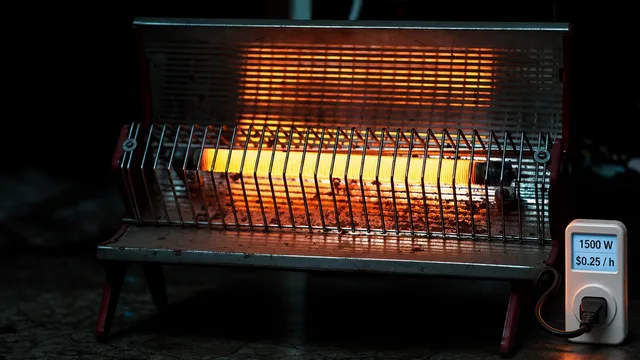
A plug-in electric heater can also be expensive to operate as the main heating source. For example, a hypothetical 1,500-watt heater run for eight hours at an assumed electricity price of $0.20/kWh consumes 12 kWh and costs $2.40 for that day, before other household electric use. This example is arithmetic rather than a verified local electricity quote, and it does not mean a heater is suitable for unattended or overnight use.
Does Homeowners Insurance Cover Frozen Pipes or Ice Damage?
Insurance belongs on a winter home preparation checklist because prevention duties and exclusions can affect what happens after a loss. According to the National Association of Insurance Commissioners, homeowners policies often cover water damage caused by a sudden and accidental burst pipe if the homeowner took reasonable preventive measures, but coverage can be limited or denied when maintenance or freeze precautions were neglected. An insurer may have requirements about keeping heat on or turning off water when a property is vacant.
Before cold weather, review the policy's dwelling and personal-property coverage, water-damage provisions, exclusions, deductible and claim-contact information. Ask specifically about a frozen pipe, gradual leakage, sewer or sump backup, roof leaks from ice dams and flood damage because these are not necessarily treated the same way. Do not assume that every winter-related water loss is covered under standard homeowners insurance.
Keep dated photographs of accessible maintenance work, invoices for professional repairs and copies of insurance renewals. If damage occurs, protect people first, stop further damage when it is safe, photograph affected areas and contact the insurer promptly under its claims instructions. Eagle Post Daily's article on the 12 costs home buyers often miss explains why insurance deductibles and major repairs belong in an ownership budget even when they arise only occasionally.
How Much Should Winterizing a Home Cost?
A winter home preparation checklist should divide expenses into low-cost prevention, professional safety work and major upgrades, rather than presenting one national dollar figure. Weatherstripping a door is not the same expense as replacing a failed heating system or correcting serious attic insulation and moisture problems. Materials, labor availability, building size and regional climate make generic winterization price estimates unreliable without a defined job and location.
Start by documenting work that is free or inexpensive: locate shutoff valves, inspect existing supplies, drain hoses, test alarms and change an accessible filter where required. Next obtain estimates for safety-related repairs such as a malfunctioning furnace, leaking plumbing or a damaged chimney, and compare those with optional efficiency projects. Keep that distinction visible so cosmetic improvements do not consume funds needed for serious hazards.
For an illustrative, not market-based spending exercise, suppose a household can set aside $300 before winter and chooses to allocate $50 to weatherstripping and small supplies, $100 to plumbing protection, and $150 toward a professional service visit. The totals balance at $300, but the actual cost of any one item may be higher or lower and a safety-critical repair should not be postponed to fit the illustration. The Eagle Post Daily budget calculator can help place winter maintenance alongside recurring housing bills, emergency savings and other necessities.
What should you fix first if your budget is small?
The first spending decision in a winter home preparation checklist should depend on the risk of immediate loss: a broken heating system, exposed plumbing and faulty alarms outweigh optional window upgrades. Free steps such as disconnecting hoses or clearing safe ground-level drainage can be completed even when replacement projects are delayed. If the house has multiple problems, ask a qualified professional which repair is needed for safety and which improvement can wait.
Do not expect a single energy-savings percentage to apply to every home. DOE's air-sealing guidance supports reducing drafts and waste, but the actual benefit depends on existing leakage, climate, fuel cost and how the house is heated. A credible contractor should be able to explain the defect, scope and recommended remedy without promising identical savings to every customer.
Does the Checklist Change for Apartments, Manufactured Homes or Vacant Houses?
A winter home preparation checklist for an apartment should focus on tasks the tenant can control and on promptly reporting building defects. Tenants generally should not alter shared boilers, roof systems, exterior plumbing or fire-safety equipment without permission. Record heating failures or leaks and notify the landlord or property manager through the appropriate channel, while checking the state and local requirements that govern repairs and safe housing.
Manufactured and mobile homes may have vulnerable plumbing in underfloor spaces, different skirting conditions and specialized heating or ventilation needs. A winter home preparation checklist for these properties should follow the home's design and installation requirements, particularly before insulating or enclosing spaces that need specified airflow. Access to plumbing shutoffs, utility connections and emergency escape routes should be confirmed without damaging protective underfloor systems.
Vacation homes and unoccupied properties need special attention because nobody may be present when heat fails. The winter home preparation checklist for an empty home should cover a safe thermostat setting, approved water shutoff and winterization procedures, remote alerts where reliable, periodic inspections and insurance occupancy conditions. An insurer's vacant-home definition or heating requirement may be more restrictive than a homeowner expects, so review the actual policy rather than relying on advice meant for an occupied house.
What Should You Do 30 Days, Seven Days and 24 Hours Before a Freeze?
A timeline makes a winter home preparation checklist actionable instead of leaving a long list of chores unfinished. Thirty days before likely freezing weather, book furnace and chimney service, review previous ice-dam or leak problems, confirm pipe protection and arrange major exterior repairs. Seven days before a likely event, complete straightforward weatherstripping, check supplies and identify who will help vulnerable household members.
Within 24 hours of a forecast freeze, a winter home preparation checklist becomes a short safety sequence. Disconnect remaining hoses, shut or drain applicable outdoor lines, secure objects, charge devices, check heat and alarms, and confirm adequate water and medication. Decide whether particular exposed faucets require a precautionary trickle during severe cold and whether a building needs an alternative shelter plan if heat could fail.
Once the freeze arrives, prioritize staying warm safely, watching for loss of water pressure and following local emergency information. A winter home preparation checklist does not end when the thermometer rises again: check for leaks after thawing, look for exterior damage from wind and ice, and document problems promptly. Do not climb icy roofs or enter flooded electrical areas during post-storm cleanup.
Common Winter Home Preparation Mistakes That Create Bigger Problems
A winter home preparation checklist can fail when the household treats winter readiness as a one-time shopping trip rather than risk reduction. Some shortcuts are actively unsafe, while others simply leave the real source of damage unresolved. The following mistakes deserve attention because they can erase the benefit of otherwise useful preparations.
- Assuming a fixed-rate mortgage fixes all housing costs. Heating, repairs, property taxes and insurance can change independently of the loan's interest rate.
- Covering every vent to keep heat in. Blocking designed combustion-air or attic ventilation can create safety or moisture problems.
- Leaving hoses attached to frost-free outdoor faucets. Trapped water may defeat the fitting's protective design.
- Using open flame to thaw pipes. This can start a fire, damage plumbing or injure the homeowner.
- Using a generator in a garage or near a window. Carbon monoxide can enter the house even when doors are open.
- Running a space heater through a power strip. Overloaded or unsuitable electrical connections increase fire risk.
- Ignoring policy conditions for a vacant house. A preventable freeze loss may not qualify for the coverage the owner expects.
- Waiting for the first snow to find a contractor. Major repairs may become harder to schedule once many households need the same service.
Reviewing the winter home preparation checklist after a storm also helps identify weak points for next year. Note where drafts remained, whether a room lost heat, which supplies ran short and whether any part of the property developed ice or water damage. A specific maintenance record is more useful than starting from an identical generic list every fall.
Winter Home Preparation Checklist FAQ
What is the most important thing to do before the first freeze?
The first item on a winter home preparation checklist is usually protecting vulnerable plumbing and verifying that the heat works, especially in a home with exposed pipes. Disconnect hoses, drain outdoor lines as appropriate, locate the main water shutoff and check the thermostat and alarms. If the heat is unreliable or a gas appliance is unsafe, arrange professional help before treating draft sealing or cosmetic work as the priority.
At what temperature should you worry about frozen pipes?
A winter home preparation checklist should not rely on one outdoor-temperature threshold because freezing risk depends on exposure time, wind, insulation, pipe location and indoor heating. Water freezes around 32°F, but an exposed or unheated pipe does not necessarily reach outdoor air temperature immediately. Protect known vulnerable lines before a forecast freeze and increase precautions during prolonged severe cold.
How do you winterize a house quickly in one day?
A one-day winter home preparation checklist should prioritize disconnecting hoses, checking exposed plumbing and outdoor shutoffs, running the heating system, testing alarms and preparing basic outage supplies. If time remains, inspect obvious drafts, ground-level drainage and storm hazards. Book qualified help for roof, chimney, electrical or gas-system issues rather than rushing unsafe work.
Is 55°F a safe thermostat setting when leaving home in winter?
A winter home preparation checklist for an unoccupied house can use the American Red Cross's recommendation of at least 55°F as a general minimum precaution against pipe freezing. However, the actual requirement may be higher because of pipe placement, building insulation, extreme weather or homeowners-insurance terms. That number is not a general comfort recommendation for people living inside the home.
Does homeowners insurance pay for a pipe that freezes and bursts?
A winter home preparation checklist should include reading the specific homeowners policy because a sudden and accidental plumbing loss may be covered while preventable freeze damage can be excluded. The NAIC notes that reasonable care, including maintaining heat or shutting off water when the home is vacant, can matter. Coverage depends on the policy's actual language, circumstances, deductible and state law rather than on one national promise.
The Bottom Line: Finish the High-Risk Tasks Before the Freeze
A winter home preparation checklist works best when it protects water, heat, fire safety and emergency access before less urgent improvements. Exposed pipes, heating equipment, alarms, gutters, attic conditions and outage supplies should be reviewed in an order matched to the house and local climate. The most valuable preparation is usually the preventive step completed before a failure, not the repair purchased afterward.
Use this winter home preparation checklist to assign responsibilities, set dates and verify that work has actually been completed. Keep maintenance records, update the household budget and revisit anything that caused problems last winter. If a condition involves gas, electricity, roofs, major trees or inaccessible plumbing, use qualified professionals instead of converting a seasonal checklist into an avoidable safety risk.
Spotted an error? Tell our editors. Read our corrections policy.